
TSMC's $29.44B Board Approval Puts AI Capacity Spend into Overdrive
TSMC’s board has approved a $29.44 billion capital budget for new fabs, advanced process capacity, and packaging expansion — the latest sign that the AI boom is reshaping semiconductor supply chains at unprecedented scale.
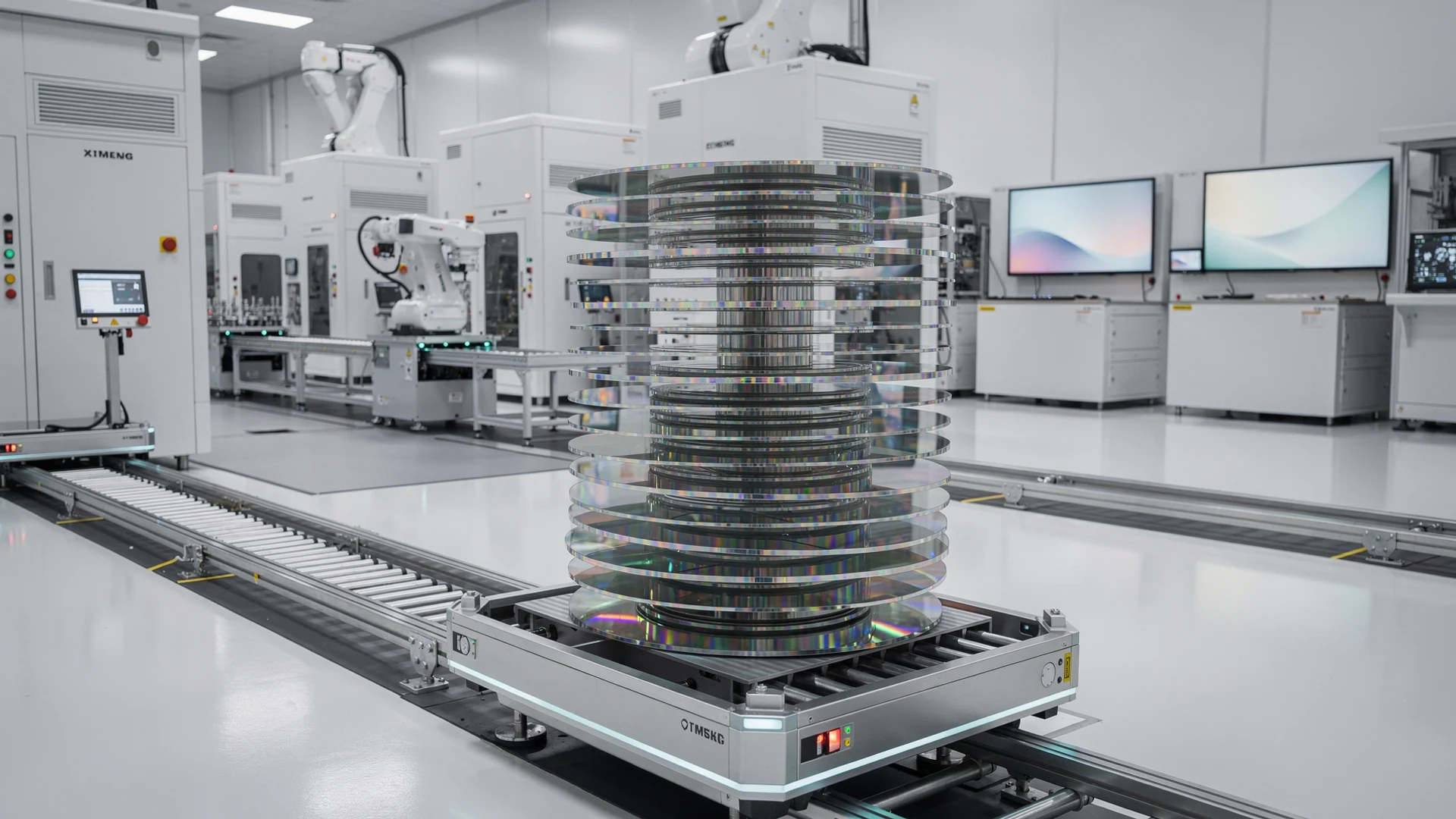
On August 11, 2026, Taiwan Semiconductor Manufacturing Co. (TSMC) — the world’s largest contract chipmaker — concluded a two-day board meeting by approving a capital budget of approximately $29.44 billion. The money is earmarked for installing advanced technology capacity, constructing new fabs, and expanding advanced packaging, mature-node, and specialty process lines. In the company’s own words, the decision supports “long-term capacity plans based on market demand forecasts and the company’s technology development roadmap.”
The approval wasn’t a bolt from the blue. It came barely a month after TSMC’s mid-July investor conference, where the company raised its full-year 2026 capital expenditure forecast to $60.0–64.0 billion, up from the $52.0–56.0 billion range it had guided in mid-April. The board’s latest appropriation effectively locks in a large slice of that spending, giving equipment suppliers, construction partners, and enterprise buyers a clearer picture of how aggressively the foundry is scaling up.
Why this budget matters
TSMC’s spending plans are a reliable barometer for the global semiconductor industry, and this one is pointed squarely at AI, 5G, and high-performance computing (HPC). The board’s statement explicitly ties the capital budget to “sustained demand from artificial intelligence and high-performance computing workloads,” spanning everything from wafer fabrication to back-end packaging and supporting infrastructure.
That packaging piece deserves special attention. Advanced packaging — the technology that lets chip designers stack and interconnect multiple dies into a single high-performance package — has become a critical bottleneck in AI hardware. By dedicating part of the $29.44 billion to packaging lines, TSMC is signaling that it sees packaging capacity as just as important as leading-edge wafer production.
The financial context reinforces the urgency. In the same board session, TSMC approved its second-quarter results: consolidated revenue of NT$1.27 trillion, net income of NT$706.6 billion, and earnings per share of NT$27.25 (or $4.31 per American depositary receipt). Quarterly profit jumped 77.4% year over year, powered by surging demand for the company’s most advanced chips.
What business readers should watch
For technology buyers and enterprise planners, the immediate consequence is a longer, more predictable runway for AI infrastructure. TSMC’s capacity additions directly influence the availability of high-end processors, accelerators, and networking silicon. When the foundry commits this level of capital, it reduces the risk of prolonged shortages for AI-accelerated workloads — though new cleanrooms and packaging lines take years to come online, so near-term tightness can persist.
For suppliers, the message is equally direct. The multi-billion-dollar budget will ripple through the semiconductor equipment market, from lithography and deposition tools to materials and factory-automation systems. Companies that sell into the fab supply chain should treat TSMC’s revised outlook as a demand signal for the next several quarters.
There’s also a notable governance angle for international investors. TSMC’s board approved a plan allowing qualified foreign shareholders to receive cash dividends in U.S. dollars instead of New Taiwan dollars for the first time, starting with the upcoming dividend cycle. The board also declared a NT$7.00 ($0.22) per share cash dividend for the second quarter, with the ex-dividend date set for December 10, 2026, and payment scheduled for January 7, 2027. For U.S.-based institutional holders, the dollar-denominated option removes a layer of currency administration.
Risks and caveats
TSMC was careful to frame the $29.44 billion as a specific appropriation, not a revision to its full-year 2026 capex guidance. That distinction matters: board-approved budgets can be adjusted if demand softens or if equipment delivery schedules slip. The company also flagged the strengthening Taiwan dollar as a factor it is managing, which can pressure margins for exporters.
The bigger risk is execution. Building fabs is capital-intensive, and TSMC is concurrently advancing multiple technology nodes and packaging platforms. Delays in equipment installation or yield ramp-ups could stretch timelines beyond current forecasts. Meanwhile, sustained high capex means depreciation will climb, putting pressure on future gross margins even if revenue grows.
The takeaway
TSMC’s $29.44 billion approval is more than a line item on a balance sheet — it’s a strategic commitment that shapes the pace of AI adoption for every business that depends on advanced silicon. From enterprise procurement teams to semiconductor-equipment vendors, the message is consistent: capacity is being built at historic scale, and the AI-driven demand wave is expected to last long enough to justify the investment. The next milestone to watch is TSMC’s next quarterly update, where management will reveal whether the spending curve remains on track.
Updated August 14, 2026