
Samsung to start building Taylor Fab 2 in Texas by end of 2026, targets 2030 production
Samsung Electronics will break ground on Taylor Fab 2, its second semiconductor plant in Taylor, Texas, by the end of 2026 and target mass production in 2030, as advanced 8nm-and-below lines run at near full capacity and 2nm orders are set to more than double.
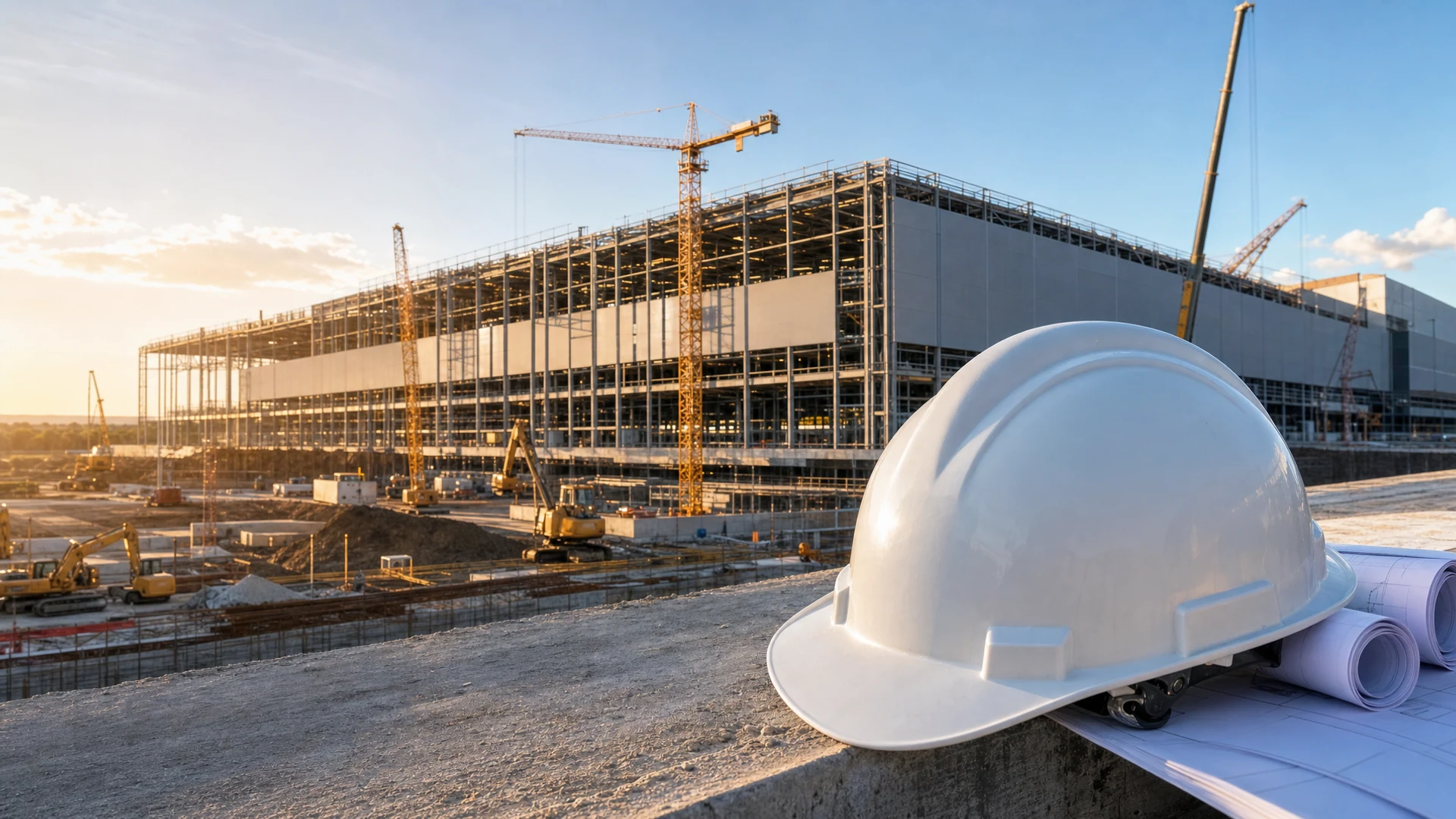
Samsung Electronics will begin construction of its second semiconductor fabrication plant in Taylor, Texas, before the end of this year, with mass production targeted for 2030, the company said during its second-quarter earnings conference call on Thursday, July 30.
The new facility, referred to as Taylor Fab 2, sits on the same campus as the company’s first Texas fab. Samsung said Taylor Fab 1 remains on track to begin operations in 2026 and that it will gradually expand capacity for its 2-nanometer process technology after the plant comes online, as reported by The Korea Times. The company described the second fab as a move to respond to customer demand in a timely manner, according to The Dong-A Ilbo.
Why now: demand is running ahead of capacity
The timing is tied directly to the semiconductor market’s current state. Samsung’s advanced process lines below the 8-nanometer node are effectively operating at near full capacity, and the company projects that orders for its 2-nanometer process will more than double this year from a year earlier, The Dong-A Ilbo reported. That demand is being driven by the broader artificial intelligence boom, and Samsung is developing the Taylor campus into a core production base for AI chips, according to Seoul Economic Daily.
The order book is not the only thing growing. Samsung told investors that customer inquiries for its next-generation 1.4-nanometer process are increasing and that it is reviewing whether to secure additional fab capacity beyond the two Taylor plants, Seoul Economic Daily reported. Specific investment plans, the company said, will be finalized in stages based on customer orders and discussions — a sign that the current expansion may not be the end of it.
What it means for business
For B2B readers, this is a useful gauge of where the foundry market is heading. Samsung’s foundry business has been under margin pressure, but the company said during the call that a turnaround will be possible in the near future, according to Seoul Economic Daily. Near-full utilization of advanced lines, a doubling 2-nanometer order book, and a second US fab are concrete evidence that demand is recovering even as Samsung invests for the next cycle.
The scale of the commitment is substantial. The Taylor expansion is part of Samsung’s previously announced US$37 billion investment in American semiconductor manufacturing, The Dong-A Ilbo noted. Taylor Fab 1, which broke ground in 2022, is scheduled to begin mass production later this year. Once the first site is operational, the campus is expected to support about 1,800 permanent jobs, with the first phase’s construction employing between 6,500 and 10,000 workers, the Austin American-Statesman reported.
For procurement and infrastructure teams, the practical takeaway is timing. Advanced chip capacity arrives in waves, not overnight. A fab that breaks ground at the end of 2026 will not ship its first wafers until around 2030, which means supply for leading-edge AI chips will remain tight for years. Companies building AI infrastructure should plan for current lead times and pricing pressure to persist well into the next decade.
Risks and watch-outs
The schedule also carries risk, and it has slipped before. The first Taylor plant went through years of delays and revised local agreements before the current 2026 deadline was set, according to the Austin American-Statesman. Samsung will now need to deliver on that timeline while simultaneously managing construction and qualification of a second facility.
There is also customer-order dependence. Samsung said detailed investment plans will be settled step by step based on orders and consultations, so the scale and pace of Taylor Fab 2 could still change. And with other foundry players racing to add advanced capacity, the competitive landscape Samsung is building for could look different by 2030.
For now, the message is unambiguous: leading-edge capacity is short, orders are rising, and Samsung intends to build its way out. That is good news for customers seeking a second source of advanced chips — and a clear signal that the AI-driven demand cycle still has momentum.
Updated August 15, 2026