
Qualcomm confirms double-digit chip price hikes from September 1 — smartphone costs are going up
Qualcomm announced a double-digit price increase across most of its chip lineup for products shipped after September 1, 2026, citing surging costs for wafers, packaging, and memory. Handset chip revenue fell 20% in fiscal Q3.
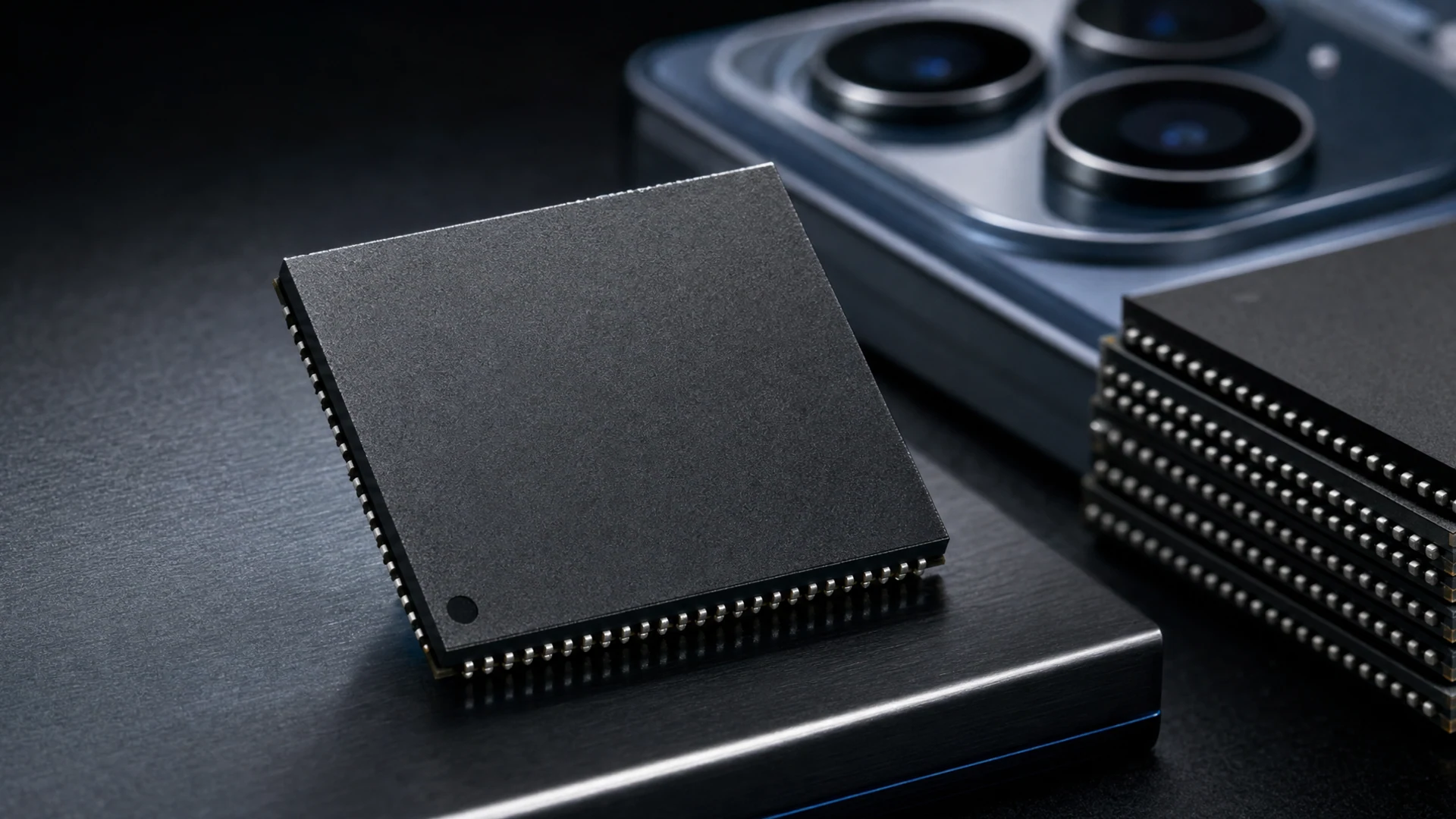
Qualcomm has confirmed a double-digit price increase across most of its chip lineup, with the new prices applying to products shipped after September 1, 2026. CEO Cristiano Amon broke the news during the company’s fiscal third-quarter earnings call on July 29, explaining the move in blunt terms: “Cost went up, prices are going to go up.”
The confirmation lands as Qualcomm’s handset business is shrinking. Revenue for the quarter ended June 2026 came in at $9.95 billion, down 4% year over year but slightly above Wall Street’s $9.62 billion consensus. The pain was concentrated in mobile: handset chip revenue fell 20% to $5.09 billion. Automotive revenue, by contrast, surged 61% to $1.59 billion, marking the 23rd straight quarter of double-digit growth in that segment. IoT revenue grew 9% to $1.83 billion, and non-GAAP earnings per share slid 20% to $2.21.
Amon tied the price hike to a broad-based rise in input costs spanning wafer fabrication, assembly, testing, packaging, and memory. The memory cost surge is a particularly heavy burden — soaring RAM prices have already pushed some phone makers to reuse last-generation chipsets in new models, and industry data cited by Qualcomm showed smartphone shipments excluding Apple fell 11% in the quarter.
A letter dated July 24, a deadline of September 1
The mechanics of the increase became public when Bloomberg reviewed a letter Qualcomm sent to hardware partners on July 24. That letter, reported by Bloomberg and picked up by Reuters — which noted it could not independently verify the document — states that prices across most of the chip lineup will rise by a double-digit percentage for products shipped after September 1, 2026. Qualcomm itself did not issue a separate public statement about the letter; the on-the-record confirmation came via Amon’s earnings-call remarks.
According to industry reporting, the increase covers mobile, PC, wearable, and IoT products, including flagship parts like the upcoming Snapdragon 8 Elite Gen 6. That means the hike will touch not just premium phones but also routers, modems, smartwatches, and laptops built on Qualcomm silicon.
Why this moment is different
This is not a quiet adjustment. Qualcomm said it has reached its limit absorbing supplier cost increases, and the squeeze is industrywide. TSMC, the world’s largest foundry, has signaled it will raise prices for advanced processes below 7 nanometers by 5% to 10% starting in 2027. Combined, the two moves essentially guarantee that the cost of building a mid-range or flagship phone will rise well into next year.
For B2B readers, the timing matters. Qualcomm’s guidance for the current quarter implies continued pressure: revenue of $9.7 billion to $10.5 billion and non-GAAP EPS of $2.05 to $2.25, below the consensus of $2.36. The company is also managing a supply-constrained relationship with Apple, with revenue from that customer expected to decline faster than anticipated.
What it means for device makers and procurement teams
OEMs now face a triple squeeze: higher memory costs, higher foundry prices, and higher Qualcomm chip prices. The early evidence of how they will respond is already visible — smartphone makers have been pulling forward inventory, cutting high-end configurations, and reusing older platforms to keep bill-of-materials costs under control. Expect that behavior to intensify between now and September 1, when the price floor resets.
For enterprises that buy smartphones, tablets, or IoT hardware in volume, the practical takeaway is to review procurement contracts, delivery schedules, and product refresh cycles before the deadline. For device manufacturers, the calculus shifts toward negotiating pre-September pricing, adjusting channel inventory, and reconsidering whether flagship silicon is worth the premium in a market where consumers are already trading down.
The watch items
Three things are worth monitoring: how much of the increase Qualcomm actually pockets versus how much it loses to demand elasticity; whether MediaTek gains share as a lower-cost alternative in mid-range devices; and whether memory prices stabilize in the second half of the year, which would take some pressure off future hikes. Qualcomm’s own diversification bet — targeting $40 billion in non-handset revenue by fiscal 2029 with accelerating data center growth — suggests the company is already hedging against a permanently softer phone market. For now, one thing is certain: the era of cheap smartphone compute is over, at least for the next several quarters.
Updated August 15, 2026