
Google Confirms Pixel 11 Price Increase as Global RAM Shortage Drives Sixfold Cost Jump
Google has confirmed that its upcoming Pixel 11 series will cost more, citing a severe global memory crisis. The cost of 1GB of RAM has surged from $2.80 to $12 in one year, driven by AI data center demand. Here’s what business buyers need to know.
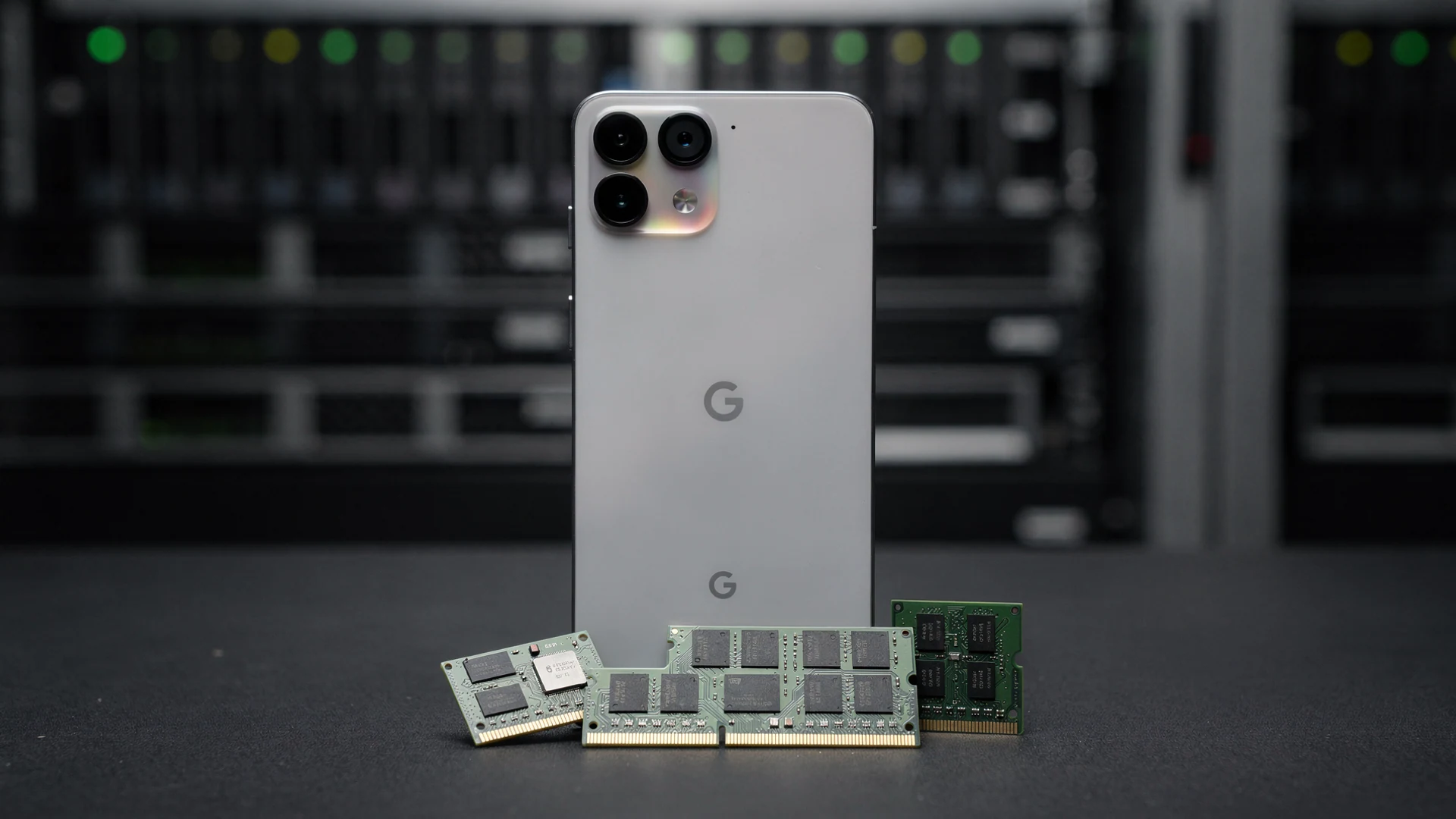
Google has confirmed that its next-generation Pixel 11 smartphones will be more expensive, directly blaming a global memory shortage that has sent component costs soaring. Speaking to 9to5Google, Shakil Barkat, Google’s Vice President of Devices and Services, described the situation as a “severe, supplier-driven RAM memory crisis” and noted that “there’s never been an increase in memory prices like the world’s going through right now.”
The company will officially unveil the Pixel 11 lineup — expected to include the Pixel 11, Pixel 11 Pro, Pixel 11 Pro XL, and Pixel 11 Pro Fold, alongside the Pixel Watch 5 — at its Made by Google event on August 12 in New York City. Official pricing will be announced there, but Google has already warned that prices will be “adjusted” across the entire Pixel family, including existing models like the Pixel 10a.
What’s Driving the Price Surge?
The root cause is a dramatic increase in memory chip prices, driven primarily by the AI boom. According to Morgan Stanley data cited by Barkat, the cost of a single gigabyte of RAM has jumped from $2.80 in 2025 to $12 in 2026 — a more than sixfold increase. Industry reports confirm that smartphone memory prices rose over 80% quarter-over-quarter in Q2 2026, and Counterpoint Research estimates that DRAM and NAND now account for nearly half of a smartphone’s total bill of materials, up from just 13% six quarters ago.
AI data centers are consuming enormous volumes of DRAM and NAND memory, leaving fewer chips available for consumer devices. This supply-demand imbalance is affecting every smartphone maker, not just Google. Samsung has reportedly begun increasing DRAM production by up to 15% to help ease the crunch, but prices remain elevated.
How Much More Will the Pixel 11 Cost?
While Google has not disclosed final pricing, multiple leak reports suggest the Pixel 11 lineup could see increases of around $100. The company has indicated that price changes will be “rolled out dynamically to match supply realities,” meaning prices could fluctuate based on market conditions. Google also hinted that in-market Pixel phones could eventually receive price adjustments, though no specific models or timelines were given.
To partially offset the higher prices, Google is expected to increase base storage on the Pixel 11 and Pixel 11 Pro from 128GB to 256GB. Leaked Amazon listings also suggest the standard Pixel 11 will pack 12GB of RAM with a 4,985mAh battery, while the Pro XL may feature a 5,115mAh battery. The devices are expected to ship with Android 17 and adopt an eSIM-centric design.
What This Means for Business Buyers
For enterprises and organizations that provision Google Pixel devices for their workforce, the price increase has direct budget implications. A $100 hike per device can significantly impact large-volume deployments. Business buyers should:
- Plan for higher hardware costs in FY2027 budgets, especially for multi-device deployments.
- Evaluate trade-in programs: Google plans to offer competitive trade-in deals and bundled Google One subscriptions to soften the blow.
- Consider the total cost of ownership: While upfront costs rise, higher base storage (256GB) may reduce the need for cloud storage subscriptions for some users.
- Monitor dynamic pricing: Google’s strategy of adjusting prices based on supply realities means procurement teams should lock in pricing windows when possible.
- Explore alternative device tiers: Mid-range Pixel models may see smaller absolute increases, but thinner margins could mean larger percentage jumps.
The Bigger Picture
Google’s confirmation is one of the clearest signals yet that the memory shortage — fueled by AI infrastructure demand — is fundamentally reshaping smartphone economics. Memory has overtaken the SoC as the most expensive single component in flagship devices, according to industry data. This trend is unlikely to reverse quickly; Samsung’s production ramp will take months to reach the market.
For now, buyers should expect higher smartphone prices across the board, not just from Google. Apple has already raised prices on some models, and other Android OEMs are likely to follow. The era of incremental hardware upgrades at stable prices may be over, at least for now.
Key Takeaways
- Google confirmed Pixel 11 price hikes due to a global RAM shortage. 1GB of RAM now costs $12, up from $2.80 last year.
- Official pricing arrives August 12 at the Made by Google event. Leaks suggest ~$100 increase across the lineup.
- Base storage doubles to 256GB on the standard Pixel 11, partially offsetting the price rise.
- The entire Pixel family is affected, including current models like the Pixel 10a.
- Business impact: Enterprise buyers should budget for higher device costs, leverage trade-in offers, and monitor dynamic pricing.
Updated July 30, 2026