
Google's Pixel 11 debuts with on-device AI — and a $100 price hike
Google's August 12 Pixel 11 launch brings Tensor G6, 16GB RAM, and on-device Gemini AI — but every model costs $100 more as memory prices climb.
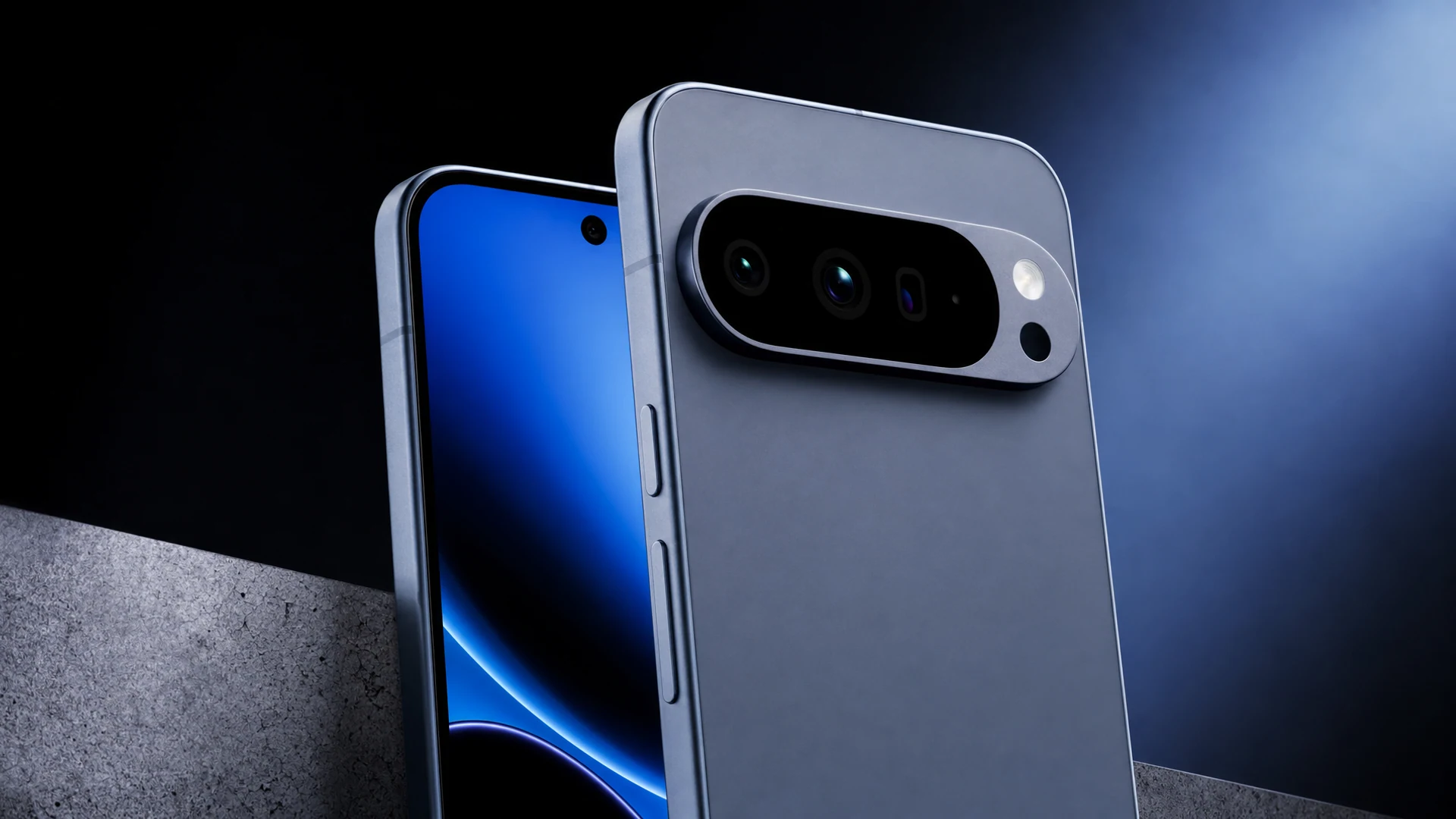
Google on August 12 unveiled the Pixel 11 smartphone family, its fourth-generation AI-first lineup, powered by the Tensor G6 processor and carrying a $100 price increase across the board. The base Pixel 11 now starts at $899 with 256GB of storage; the Pixel 11 Pro costs $1,099, the Pro XL $1,299, and the new foldable Pixel 11 Pro Fold $1,899. The driving factor isn’t just premium hardware — it’s a global surge in memory component prices, and enterprise device buyers will feel it in their next procurement cycle.
What Google announced
At the event, Google introduced four phones — Pixel 11, Pixel 11 Pro, Pixel 11 Pro XL, and Pixel 11 Pro Fold — alongside the Pixel Watch 5 and the company’s first item tracker, the Pixel Tag. All phones run Android 17 and ship with 16GB of system memory, which Google says is required to run Gemini large language models on-device.
The Tensor G6 application processor, built at TSMC on a 2-nanometer process, delivers a 20 percent power efficiency gain over its predecessor, according to Google. The Pixel 11 Pro Fold claims threefold greater durability than the previous model thanks to an improved hinge and glass-fiber composite materials, while shedding 20 grams and 1 millimeter of thickness.
AI moves from cloud to pocket
Marking the fourth consecutive AI-first generation since the Pixel 8 debuted that focus in 2023, the Pixel 11 centers on a strengthened Gemini voice assistant. Users can verbally order groceries or coffee, or make restaurant and hospital reservations through linked apps. A feature called Rambler understands spoken intent even if the user hesitates or pauses mid-sentence. The camera also adds a real-time sign-language captioning accessibility tool.
For businesses, the architecture matters more than the demos. Google pairs the Tensor G6 with the Titan M3 security chip and emphasizes that key Gemini features run on-device without constant cloud reliance. That reduces connectivity dependency and keeps sensitive data off external APIs — an increasingly relevant consideration for companies evaluating AI features under data-privacy constraints. The 16GB memory floor, however, raises the baseline cost for any organization standardizing on the platform.
Why prices jumped
The $100 increase — the previous base model sold for $799 — is directly attributed to rising memory semiconductor costs. The smartphone industry is passing higher component costs to consumers, driven by soaring memory prices fueled by AI data center demand. For procurement teams, this is the trend to watch: memory has become a constrained commodity, and AI infrastructure buildouts compete with consumer hardware for the same chips. Google also confirmed no finalized plans for a South Korean release, a regional consideration for distributors.
The Pixel Watch 5 gets a $50 price bump over the Watch 4 and leans further into AI health management. A new insulin resistance tracking feature combines heart rate, skin temperature, and movement data with AI to estimate metabolic stress. It does not measure blood sugar directly — Google frames it as an early-warning signal that alerts users to consider habit adjustments or consult a healthcare provider. The watch also adds emergency detection of low blood oxygen when a user is unresponsive, blood-pressure monitoring, and increased memory capacity to run Gemini models on the wrist, positioning it against the Apple Watch and Samsung Galaxy Watch series.
What it means for buyers
For enterprises, the higher price points shift the value equation. The 256GB minimum storage is a better baseline but leaves little room for entry-level budgeting. The Pixel Tag, launched at €35 in Europe, uses UWB and Bluetooth Channel Sounding and enters an asset-tracking market that businesses are beginning to use for fleet and inventory management; U.S. pricing was not confirmed.
Competitively, Apple has delayed integrating AI features, giving Google a differentiated story for businesses evaluating AI-ready devices. That advantage, however, depends on component prices softening; current signals suggest AI-capable hardware will carry a premium for the foreseeable future. There are also adoption risks: on-device AI requires users to link third-party apps, and the health features provide estimates, not medical measurements.
Key takeaways
- Google’s Pixel 11 line, announced August 12, carries a $100 price increase on every model; the base phone is now $899 with 256GB storage.
- The Tensor G6 and mandatory 16GB RAM enable meaningful on-device Gemini features, addressing privacy and connectivity concerns for enterprise deployment.
- Memory prices, driven by AI data center demand, are raising the cost of hardware across the industry — plan budgets accordingly.
- The Pixel Watch 5 adds AI-powered insulin resistance tracking, but it is an estimation tool, not a medical device.
The AI era has a hardware bill. On-device AI is genuinely useful for business, but it raises the floor for memory and storage — and buyers are now financing that floor through higher prices.
Updated August 15, 2026