
Pixel 11 and Gemini Intelligence: Google's phone is now the agent
Google unveiled the Pixel 11 lineup on Wednesday with Gemini Intelligence at the center — an agentic AI layer that orders groceries, books rides, and calls businesses across apps. Preorders are open; devices ship August 20.
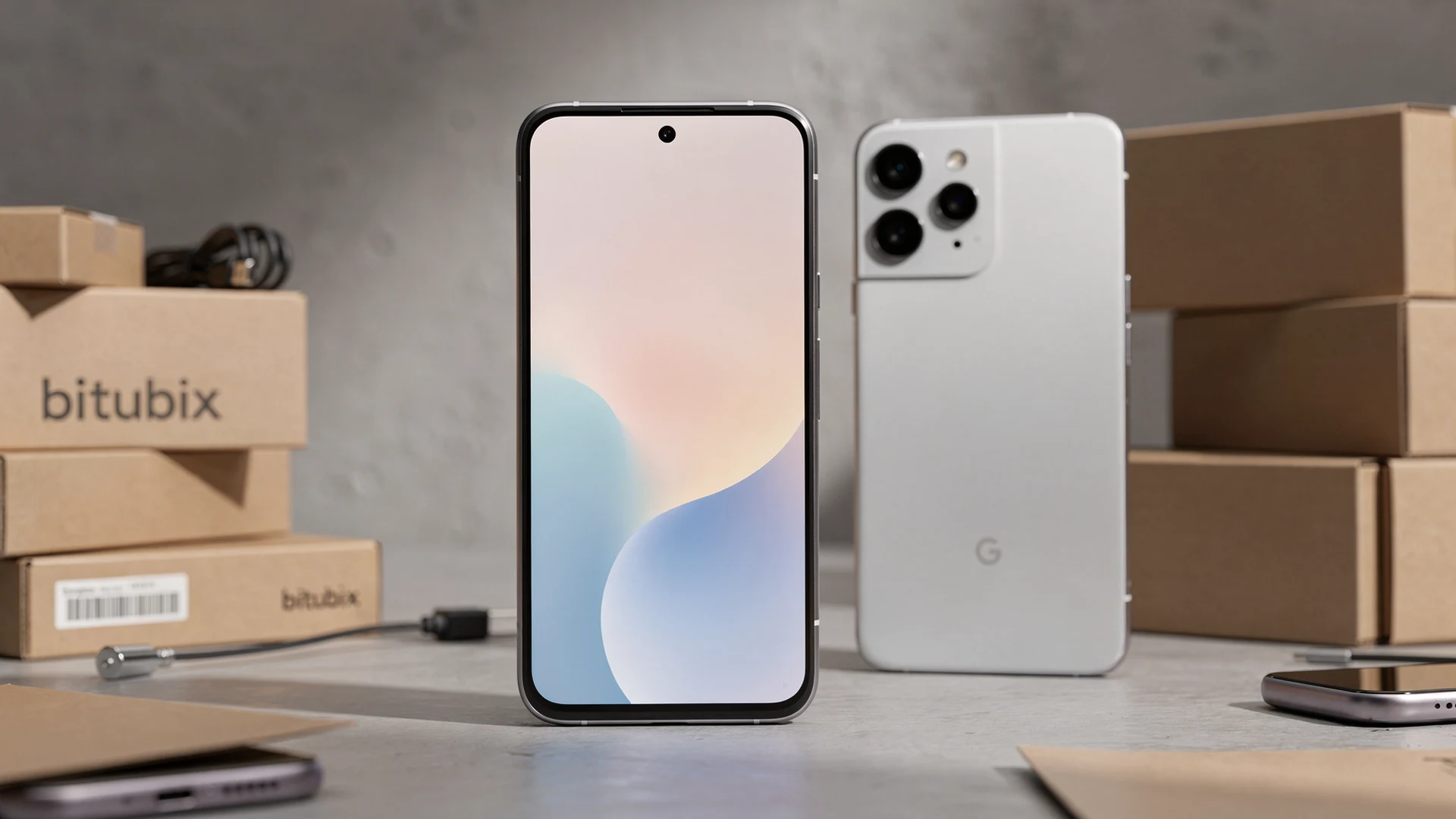
Google unveiled the Pixel 11 lineup at its Made by Google 2026 event on Wednesday, and the most consequential upgrade isn’t a camera lens or a chip — it’s an agent. The new Pixel 11, Pixel 11 Pro, Pixel 11 Pro XL, and Pixel 11 Pro Fold ship with Gemini Intelligence, an AI layer Google says can understand what you’re doing on the phone and carry out multi-step tasks across apps. Preorders opened August 12; devices arrive August 20.
From chatbot to doer
Gemini Intelligence is a shift away from the assistant-as-chatbot model. Instead of waiting for a prompt, the system pulls context from messages, calendar, maps, and other Google services, then suggests or executes the next step — checking availability, comparing travel routes, or starting a restaurant reservation. According to Google, U.S. users can have Gemini order groceries, book rides, get coffee, and call businesses for table reservations or appointments. Users can take over or stop tasks at any time and review transcripts of AI-operated calls.
The feature works across more than 40 apps today. Over the coming weeks Google plans to connect Gemini with a broader slate of services, including Granola, Otter.ai, Wix, Fever, GetYourGuide, Localiza, OpenTable in the U.K., Ticketmaster, iHeartRadio, Pandora, Angi, Thumbtack, and Zocdoc.
Google devices chief Rick Osterloh told CNBC that Pixel and iPhone are going in “very different directions” and described Gemini Intelligence as “a totally new way to interact with a computer.” The contrast will be visible soon: Apple is expected to ship a rebuilt Siri built on Google’s own Gemini models this fall, and it targets many of the same use cases — pulling personal context, interpreting on-screen content, and executing actions across apps.
The hardware behind the agent
The Pixel 11 series runs on Google’s Tensor G6 processor, which Google says delivers 20% better power efficiency and 25% faster browsing. All models start at 256GB of storage, double the previous base capacity. Prices are $899 for the Pixel 11, $1,099 for the Pixel 11 Pro, $1,299 for the Pixel 11 Pro XL, and $1,899 for the Pixel 11 Pro Fold.
That’s roughly $100 more across the lineup, a hike Google partly attributes to the industry-wide DRAM shortage the company’s VP Shakil Barkat acknowledged publicly in July. Google is also doubling the entry storage tier to offset the higher bill of materials.
On the camera front, the Pro models add a 50MP wide sensor and 48MP telephoto with 30% more light sensitivity. The standard Pixel 11 gets a redesigned camera bar that is more than 40% thinner. The Pro models also include a flash that can glow in multiple colors when Gemini is talking or “thinking,” a small but useful signal that AI actions are in progress.
Other Gemini features include Rambler, a voice-input system designed for natural, run-on speech; Live Translate, which can translate videos, podcasts, and voice messages in real time; and Magic Capture, which shoots hundreds of frames between start and end and automatically picks the best ones, cropping and unblurring them for sharing. Accessibility also gets attention: Live Transcribe can now use the Pixel camera to translate American Sign Language into text, and Circle to Search is available directly in the camera experience.
Why this matters for business buyers
For B2B technology buyers, the Pixel 11 launch is less about a new flagship gadget and more about the operating-system-level shift toward agentic AI. When an assistant can act inside apps rather than merely surface answers, the phone becomes a workflow tool — one that can handle reservations, ticketing, transcription, and home-service coordination. That is exactly the kind of use case companies will want to pilot with controlled accounts before broad deployment.
The app-integration list is also a signal. Google is building an ecosystem of partners around Gemini actions, which means businesses with consumer-facing apps may need to plan for new discovery surfaces inside Android. The requirement of a confirmation tap before Gemini executes an action is a useful guardrail, but IT leaders should still map what data Gemini can see when it parses on-screen content — including banking, shopping, and messaging apps.
The hardware changes also matter to fleet managers and procurement teams. The jump to 256GB base storage makes the price increase more palatable, but the DRAM-driven cost pressure is a reminder that memory availability will continue to shape device pricing through the next cycle. Tensor G6’s efficiency gains and the promise of a 30-hour battery could also extend device lifetimes, which is relevant for organizations that refresh fleets on multiyear cycles.
The bigger risk is ecosystem lock-in. As Gemini becomes embedded in the OS, its usefulness depends on access to Google services, third-party app partnerships, and a Google AI Pro subscription for higher usage limits on Pro phones. Teams that standardize on Pixel should evaluate those dependencies the same way they would any enterprise platform commitment.
The takeaway
The Pixel 11 is Google’s clearest statement yet that the next smartphone war will be won by agents, not processors. With both Apple and Google leaning on Gemini technology, the differentiation will come down to execution, privacy controls, and the breadth of real-world actions each platform can complete. For now, Google is first to market with agency baked into the OS — and that is a meaningful business advantage.
Updated August 13, 2026