
Apple takes 65% of premium phone market as memory costs push segment to record 29%
Counterpoint Research says Apple captured 65% of global premium smartphone sales in H1 2026, with the $600+ segment hitting a record 29% of all phones sold. Rising memory costs are reshaping who buys premium — and why.
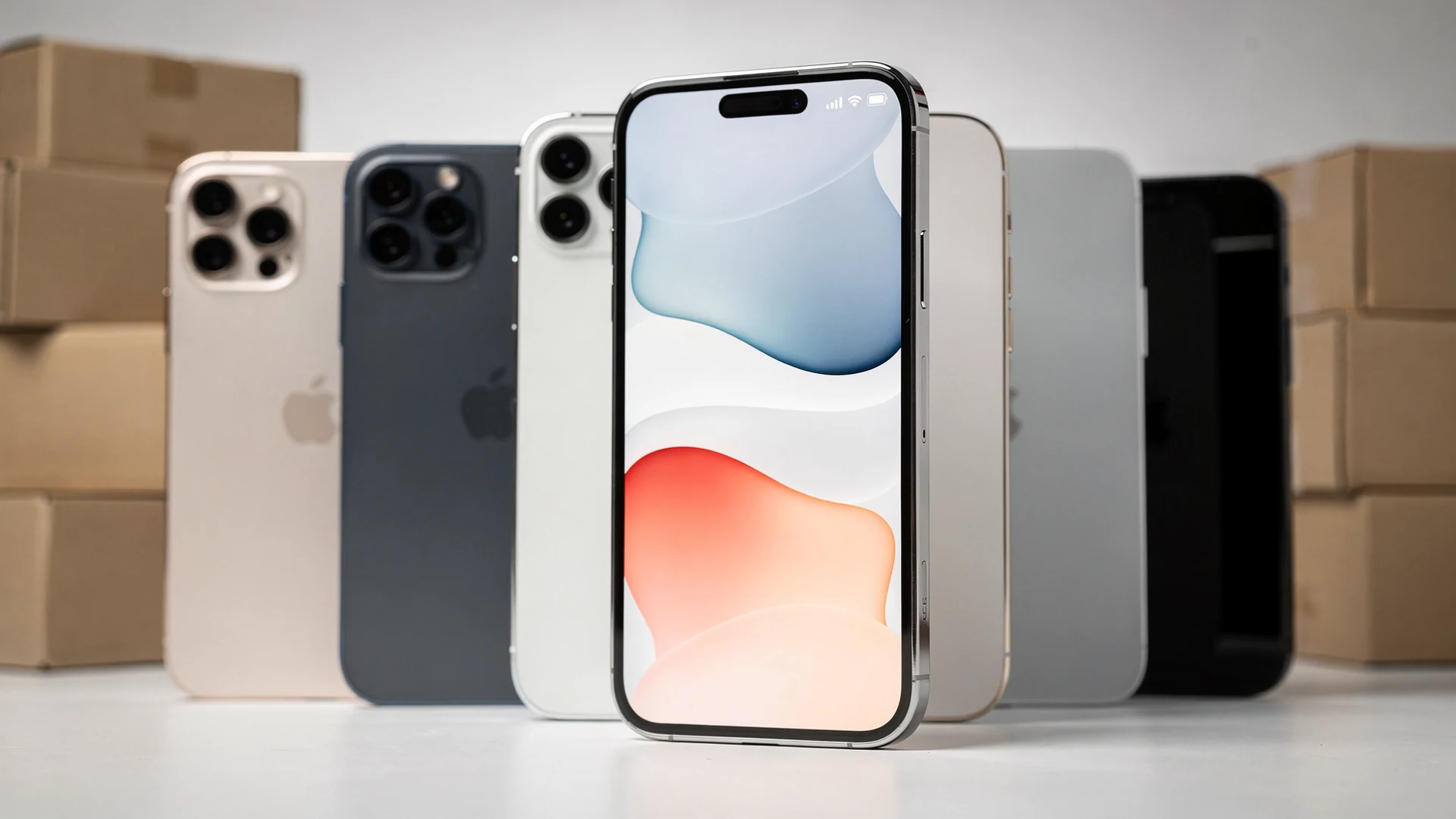
On August 7, 2026, Counterpoint Research published new data from its Handset Model Sales Tracker covering the first half of 2026. The headline: Apple captured 65% of global premium smartphone unit sales — phones priced at $600 and above on a wholesale average selling price basis. The premium tier itself reached a record 29% of all smartphones sold worldwide, up from 25% in H1 2025 and 20% in H1 2022.
Premium unit sales grew 5% year over year, outperforming the broader market, which is still navigating soft demand and inventory corrections. Apple’s premium revenue rose 9%, which Counterpoint credited primarily to the iPhone 17 series — with the base iPhone 17 doing the heaviest lifting. Samsung held 19% of the premium segment and posted 3% growth despite launching the Galaxy S26 series later than usual. Together, Apple and Samsung controlled 84% of global premium sales, up from 82% a year earlier.
The ‘why’ changed this year
Counterpoint’s breakdown gives readers a genuine plot twist. From H1 2022 through H1 2025, premiumization was largely a consumer choice story: buyers gradually shifted toward higher-end devices. In H1 2026, the driver was economics.
Rising memory and component costs have hit low- and mid-tier smartphones harder than their premium counterparts. Premium manufacturers, with stronger margins and fewer promotional discounts, were better positioned to absorb higher wholesale costs. As mid-range Android prices climbed, the price gap between those devices and premium models — including older or discounted flagships — narrowed, making the upgrade path look more rational to buyers.
“Rising memory and component costs are reshaping smartphone pricing and creating opportunities for OEMs to accelerate premiumization,” said Counterpoint Senior Analyst Harshit Rastogi.
For IT procurement, mobility managers, and channel partners, this is not a consumer-only story. Component-cost inflation flows directly into wholesale pricing, device budgets, refresh cycles, and residual values. When the cost of entry-level and mid-range hardware rises faster than flagship prices, the pragmatic business choice often becomes “buy premium and keep it longer.”
A duopoly that keeps tightening — with caveats
Apple’s 65% share marks an improvement over the 63% it held in H1 2025, yet it’s still well below the 74% peak of H1 2022. Samsung, by contrast, has climbed from 17% in H1 2022 to 19% now. The combined 84% duopoly share is up from 82% a year earlier — a concentration trend that enterprise buyers cannot ignore.
The base iPhone 17 deserves special attention in a B2B context. Counterpoint attributes Apple’s growth specifically to this model, suggesting Apple is turning its entry-premium device into a volume engine. For organizations planning two- to three-year lifecycle programs, that model’s pricing, availability, and trade-in trajectory will matter more than flagship “Pro” specs.
What business buyers should watch
Several operational takeaways follow from the data:
- Budget defensively: if memory and component costs stay elevated, mid-range devices won’t get much cheaper. Old assumptions about steady price erosion in lower tiers need revisiting.
- Trade-in values shift: with premium share at record levels, secondary-market demand for premium devices should stay firmer than for mid-range units — an important input for device refresh programs.
- Concentrate supplier leverage: Apple and Samsung control 84% of premium sales. Enterprise negotiators should treat premium device sourcing as a two-vendor market and plan terms accordingly.
- Expect discount discipline: premium vendors rely less on promotions, according to Counterpoint. Volume-based agreements and device-as-a-service structures may be better levers than waiting for seasonal price cuts.
The material risks are worth naming too. Memory pricing could ease, reversing the cost dynamic that accelerated premiumization. Samsung’s delayed launch schedule could shift share in H2 2026 as its new lineup matures. And Apple’s dependence on a single hero model — the base iPhone 17 — creates concentration risk if demand patterns change.
For now, the takeaway is clear: the premium segment is no longer a luxury niche. At a record 29% of global smartphone sales and with the two largest vendors controlling 84% of it, premium devices have become the center of gravity for the entire industry — and component economics, more than consumer sentiment, are steering that shift.
Updated August 8, 2026