
Apple pushes iPhone 18 Pro Max OLED price down from $120 to ~$68 per panel
Apple is reportedly negotiating a roughly 43% cut in OLED display costs ahead of the iPhone 18 Pro Max launch, as memory-price inflation squeezes the company's component budget.
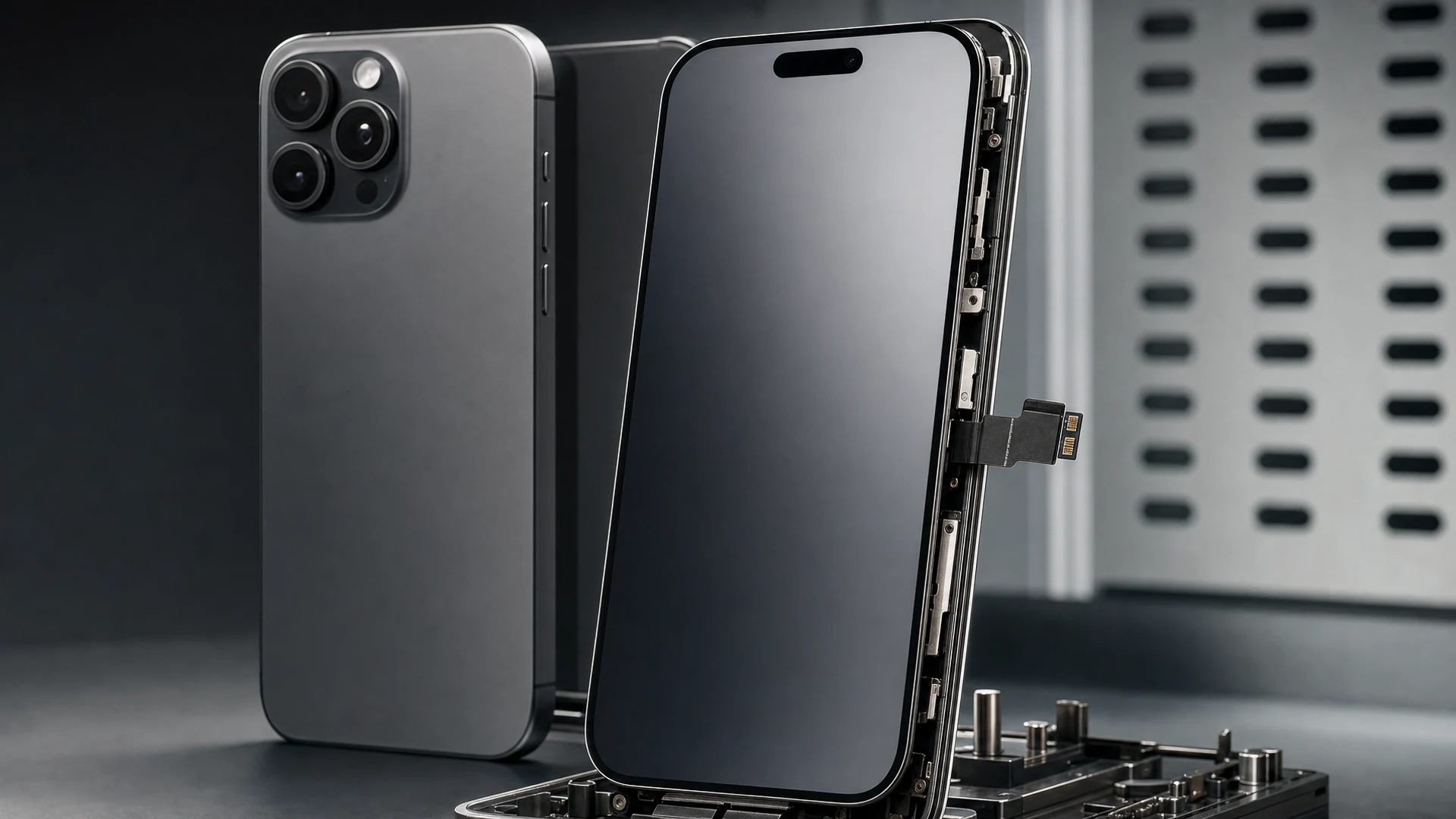
Apple is pressing its two OLED panel suppliers for a big discount — and the numbers are eye-catching. According to a report from The Munich Eye, published August 23, 2026, Apple aims to lower the per-panel cost of the iPhone 18 Pro Max display from a maximum of $120 to around $68, a reduction of roughly 43%. Negotiations with LG Display and Samsung Display have reportedly been underway for several weeks.
B2B readers will recognize the pattern even if the product is a consumer flagship: when the cost of one critical component explodes, OEMs go hunting for savings elsewhere. Industry analyses cited in the report say component costs for the iPhone 18 Pro could climb by as much as 38%, driven mainly by sharp increases in DRAM and flash memory prices. Display panels are typically the most expensive single component in a modern smartphone, so Apple’s procurement team is targeting the next line item down.
A first-time price alignment between rivals
Perhaps the most notable detail in the report isn’t the price target itself, but what happens to the supplier landscape. For the first time, LG Display and Samsung Display are reportedly agreeing to similar cost structures for Apple’s OLED orders. Previously, LG Display’s panels carried a price premium over Samsung Display’s. If the two Korean makers settle on equivalent pricing, Apple loses some of the arbitrage it has historically exploited by dual-sourcing — but it also reportedly gains a stable baseline for its flagship line.
This is a delicate moment for both suppliers. Flexible OLED demand is booming: market research firm Sigmaintell (via The Elec, reported by TBreak) says Samsung Display shipped about 120 million flexible OLED smartphone panels in the first half of 2026, up 34.5% year over year, and accounted for 65% of the industry’s growth; global flexible OLED shipments rose 15.6% to 350 million units. In a growth market, panel makers usually hold pricing power. Apple, however, has scale, volume guarantees, and the ability to move orders between vendors — a combination that keeps even a dominant supplier at the negotiating table.
Why the timing matters
The negotiation comes just ahead of Apple’s expected September launch cycle. Moneycontrol reports the iPhone 18 Pro Max could debut on September 9 with an A20 Pro chip built on a 2nm process, improved cameras, and better battery efficiency — and possibly a $200 global price bump. If consumers pay more for the device, Apple wants to make sure the increase reflects value, not supply-chain waste.
A $52-per-panel saving may sound modest in absolute terms, but the Pro Max ships in the tens of millions of units annually. Across that volume, the display target could translate into hundreds of millions of dollars in annual cost avoidance — the kind of margin protection that matters when memory costs are inflating the bill of materials faster than Apple can raise prices.
The business implications
- Apple: the savings give it headroom to absorb memory inflation on its most profitable hardware line, or to keep pricing competitive against Android rivals in a cost-sensitive cycle.
- LG Display and Samsung Display: margin pressure is real, but aligned pricing reduces the threat of a race to the bottom. Closer cost parity may also simplify future negotiations across multiple Apple device lines.
- The supply chain: watch whether the $68 target forces changes in materials, yield assumptions, or panel specifications. Suppliers rarely accept a ~43% cut without trade-offs somewhere in the stack.
Risks and takeaways
The obvious risk: negotiations could fail, or the savings could be smaller than the headline target. Suppliers may push back if OLED materials or yield rates don’t cooperate, and Apple’s aggressive targets could strain partnerships that took years to build. For procurement leaders, the story is a useful case study in counter-cyclical negotiation — using one cost crisis (memory) to reset another (displays) before a flagship launch locks in components.
The bigger lesson: in a hardware business, the bill of materials is a zero-sum game. When memory prices spike, the savings have to come from somewhere — and the supplier with the most concentrated market share is the most visible target. For the iPhone 18 Pro Max, that target is the OLED panel, and Apple is reportedly aiming to cut its price nearly in half.
Updated August 23, 2026