
Apple's $1B Processor Backlog Shows Why Memory Is the New Bottleneck
Roughly $1 billion in unpackaged Apple processors are sitting idle at TSMC waiting for DRAM, according to analyst Tim Culpan — a crunch that could squeeze iPhone 18 Pro availability and raise device costs.
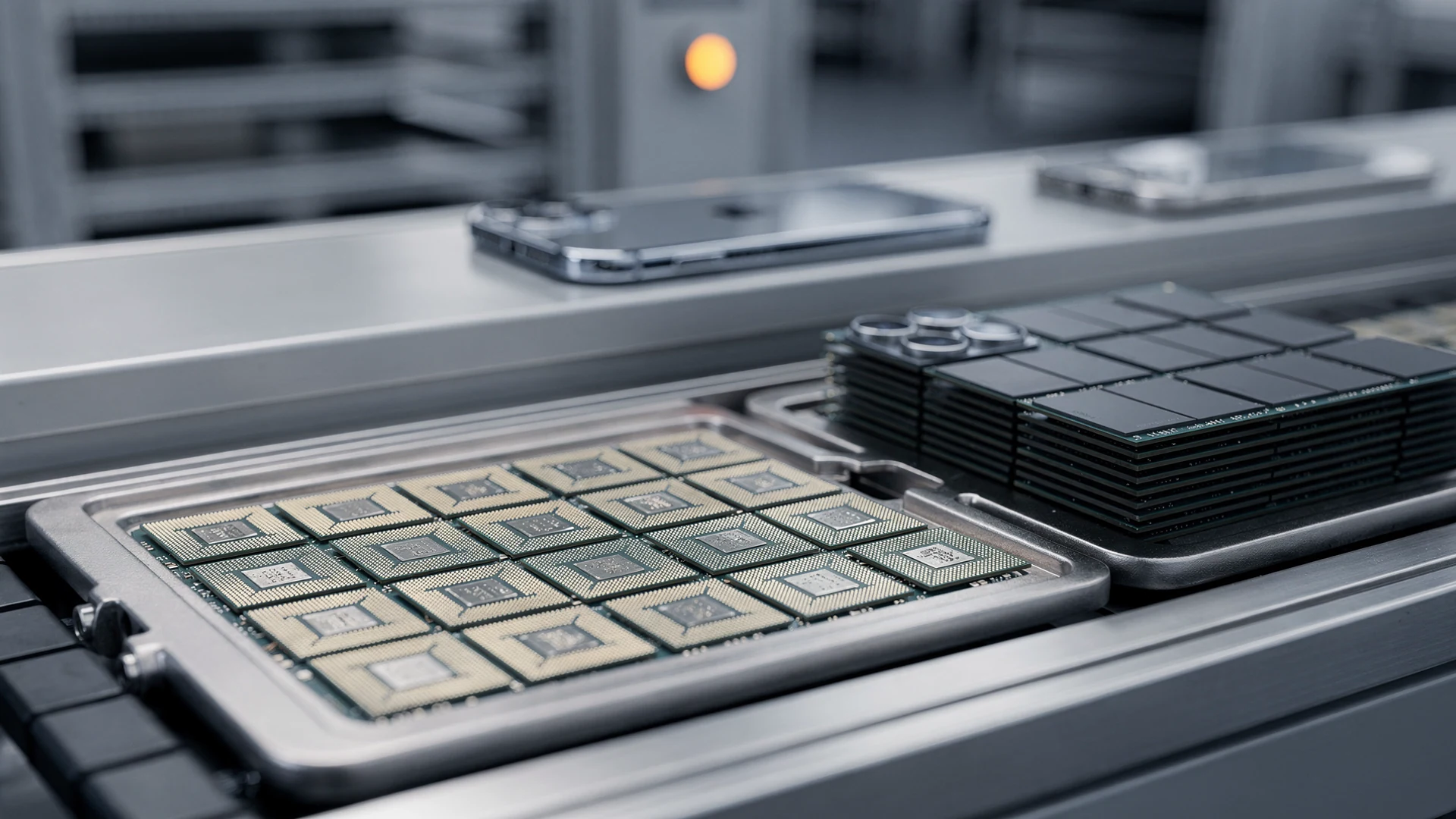
On July 30, Apple CEO Tim Cook warned investors that the supply chain was seeing “very significant constraints.” Less than a week later, semiconductor analyst Tim Culpan put a dollar figure on that warning: about $1 billion worth of unpackaged Apple processors are sitting idle at TSMC, waiting for memory chips that have not arrived. The backlog is directly tied to the upcoming iPhone 18 Pro and the company’s first foldable iPhone, and it offers a rare, concrete look at how AI infrastructure spending is reshaping the consumer hardware market.
What’s happening at TSMC
According to Culpan, Apple and its manufacturing partners are scrambling to secure enough mobile DRAM ahead of the iPhone 18 Pro launch. Completed processor wafers are piling up at TSMC because final packaging cannot proceed until the memory components show up. The chips are built, but they cannot be finished and shipped to iPhone assemblers without the companion DRAM.
The timing is uncomfortable. The iPhone 18 Pro is only weeks away from launching, and Computerworld broke the story on August 5. The same report indicates the iPhone Ultra — described by TechRepublic as Apple’s first foldable iPhone — is caught in the same crunch. Apple has the silicon ready, yet the finished product pipeline is effectively held hostage by a component it does not make.
Why memory got scarce
This is not a single-company problem. The global DRAM market is tight because AI infrastructure spending is absorbing available memory capacity at a remarkable rate. Data center operators building AI clusters are buying enormous volumes of the same class of memory that mobile devices need. That means DRAM price and availability are now effectively co-managed by hyperscalers and smartphone vendors.
Apple relies on Micron, SK Hynix, and Samsung for memory components. All three are allocating output between AI servers and mobile customers, and in the current environment, mobile does not always win. The result is not simply a tight market; it is a structural shift. For years, DRAM was treated as a standard commodity procured in volume at predictable prices. Now, memory allocation is a strategic decision with consequences that show up in consumer product launches.
What it means for business readers
For B2B readers, this story is a concrete case of cascading risk. AI demand does not stay inside the data center; it ripples into procurement, inventory, wholesale pricing, and logistics for physical products. Memory shortages are not hypothetical — they create real delays for distributors, resellers, and enterprises that depend on predictable device availability.
Three implications stand out:
- Launch availability. The iPhone 18 Pro could see limited availability at launch, which historically creates short-term price pressure in secondary and wholesale markets.
- Component pricing. If DRAM costs keep climbing, finished device prices will follow. Coverage around the report also suggests the iPhone Pro could start at $1,399 because of the ongoing memory crisis — a meaningful step up that would ripple through enterprise refresh cycles.
- Inventory strategy. Companies that manage large device fleets may want to front-load purchases. Memory-driven constraints tend to create rolling shortages rather than one-time events.
Material risks
As Cook said, Apple currently has limited flexibility in its supply chain. The most immediate risk is a constrained launch window: missing the early demand spike is costly for Apple and disruptive for mobile-device distributors that have already committed to purchase volumes. There is also a secondary risk — if the crisis persists, Apple may have to make hard choices about configuration mix, such as shipping more of certain storage tiers or delaying parts of the lineup.
History also suggests memory-shortage constraints rarely resolve in weeks; they tend to linger for quarters. That is why the smart money is watching the next earnings calls from Micron, SK Hynix, and Samsung for guidance on whether this crunch is a blip or a trend.
Takeaways for technology buyers
The pragmatic move is to watch DRAM spot prices as a leading indicator. If they keep rising, expect iPhone supply constraints to deepen and prices across the premium smartphone segment to drift upward. Procurement teams should build elasticity into device planning: name alternative models, secure allocation early, and avoid single-horizon purchase commitments.
For the rest of the industry, the message is simple — memory is no longer a commodity. It is the new bottleneck.
Updated August 12, 2026